
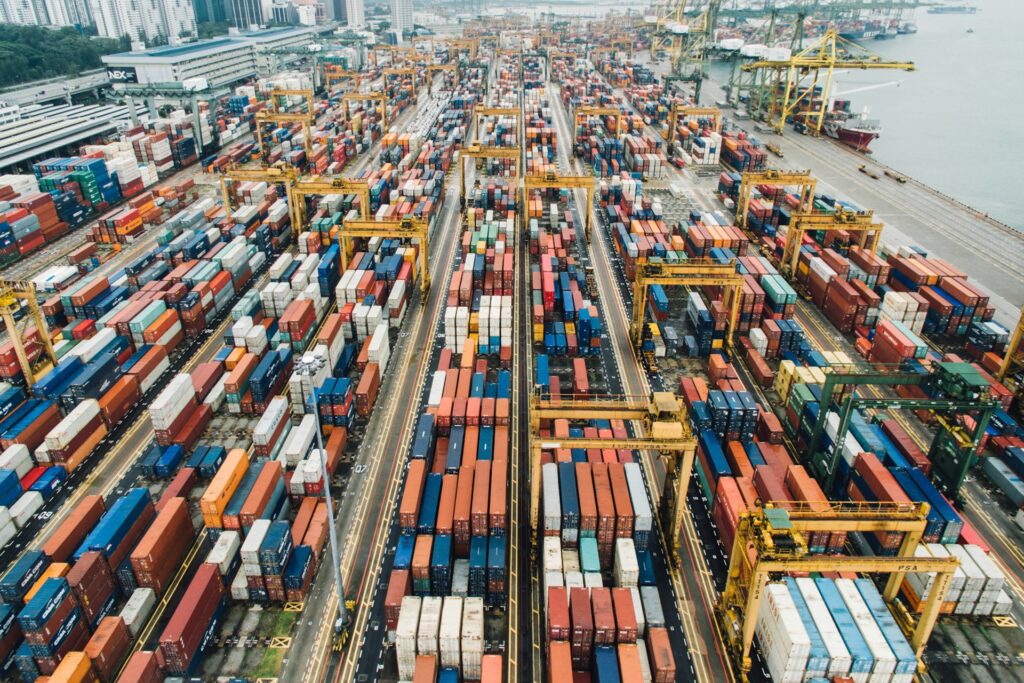
As 2025 begins, the global transport and logistics industry is bracing for a year marked by both instability and resilience. The twin forces of geopolitical tensions and a projected surplus in shipping capacity are shaping what’s expected to be a volatile year for ocean and airfreight.
A World on Edge
The year opens with hope as a ceasefire between Israel and Hamas brings temporary calm to Red Sea trade routes. Houthi rebels have promised to stop targeting non-Israeli vessels, but lingering uncertainties mean major carriers like Maersk and Hapag-Lloyd remain cautious.
Meanwhile, long-running conflicts like the Russia-Ukraine war continue into their third year, and the threat of a China-Taiwan crisis looms. Hybrid warfare—such as cable and pipeline sabotage—adds to the tension, prompting NATO vigilance in the North Sea.
Compounding these challenges are looming trade wars driven by shifting U.S. policies, labor shortages, climate change, and rising cyberattack threats on critical infrastructure.
Silver Linings: Labor Deals & Alliance Shifts
In a surprising positive turn, the feared U.S. East and Gulf Coast port strike was avoided after the ILA and USMX reached a six-year agreement. This protects supply chain continuity and introduces a +60% pay increase for dockworkers—costs likely to be passed on via increased port fees.
Big shifts are also happening in ocean carrier alliances. The long-standing 2M alliance between Maersk and MSC is ending, making way for the launch of the Gemini Cooperation between Maersk and Hapag-Lloyd. The new setup promises faster, more reliable services with fewer port calls.
Freight Rates in Motion
Ocean freight rates, particularly from Asia to Europe, have dropped by $1,500/FFE in early January and could dip further post-Lunar New Year. Rates to the U.S. remain relatively stable, though a downward trend is emerging there as well.
Even with rate declines, prices are still high by historical standards due to limited volume growth and sufficient vessel capacity.
Political Tensions at the Panama Canal
Diplomatic tensions rose when President-elect Donald Trump suggested regaining U.S. control over the Panama Canal, citing increased fees and Chinese involvement. Panama rejected the idea firmly, but the standoff has sparked concerns over potential trade route disruptions.
China Expands in South America
China’s Cosco launched the Chancay mega-port in Peru, strengthening its presence in Latin America. The new port, dubbed the “Singapore of Latin America,” will handle massive container volumes and shorten transit times for Asia-South America trade.
Airfreight: Still Flying High
Despite global uncertainty, the airfreight sector posted 18% demand growth in 2024. While slower growth is expected this year, e-commerce and consumer demand—fueled by platforms like TikTok and Instagram—are keeping air cargo strong.
Red Sea disruptions temporarily shifted volume to air, but with the ceasefire in place, that demand could cool. Nevertheless, key lanes like China/Taiwan to the U.S. remain tight due to the ongoing AI and semiconductor boom.
IATA projects a 5.8% increase in global air cargo volume in 2025, with bellyhold capacity returning to pre-pandemic levels.
Sustainable Skies Ahead
On January 1, the EU introduced a 2% Sustainable Aviation Fuel (SAF) mandate for all departing flights—rising to 70% by 2050. Other nations like India, Japan, and Singapore are expected to follow with similar rules starting in 2026.
Economic Outlook: Cautious Optimism
The OECD forecasts global GDP growth of 3.3% in 2025, slightly up from 2024. Inflation is expected to ease, with projections dropping from 5.4% in 2024 to 3.8% in 2025.
- US: 2.8% growth in 2025
- Euro Area: 1.3%
- Japan: 1.5%
- China: 4.7%
Despite risks, the global economy shows resilience, but long-term growth depends on addressing debt levels, improving productivity, and tackling labor shortages.