
The international freight market is undergoing a major transformation, sparked by new geopolitical dynamics and shifting trade policies—particularly under the current U.S. administration. This shift is not just about tariffs or regulations; it’s about a broader reconfiguration of global trade as countries respond to mounting political and economic pressures.
U.S. Policy Shifts Lead the Charge
The Biden administration has been pushing for greater national security and economic independence. One major move includes tightening controls on exports to China, especially in the tech sector. These policies aim to reduce dependence on China, but they’re also causing ripple effects throughout global supply chains.
U.S. companies are now increasingly sourcing from other countries like Vietnam, India, and Mexico. This diversification strategy is changing traditional freight routes and creating new patterns in shipping demand.
Europe Caught in the Crosswinds
Europe finds itself at a crossroads, dealing with the aftermath of the war in Ukraine and reassessing its own supply chain strategies. Meanwhile, ongoing tensions with China—highlighted by the EU’s investigation into Chinese electric vehicle subsidies—signal a potential trade dispute brewing between Europe and Asia.
As a result, companies are reevaluating their logistics strategies and seeking more resilient, less politically vulnerable trade partnerships.
The Freight Market Feels the Impact
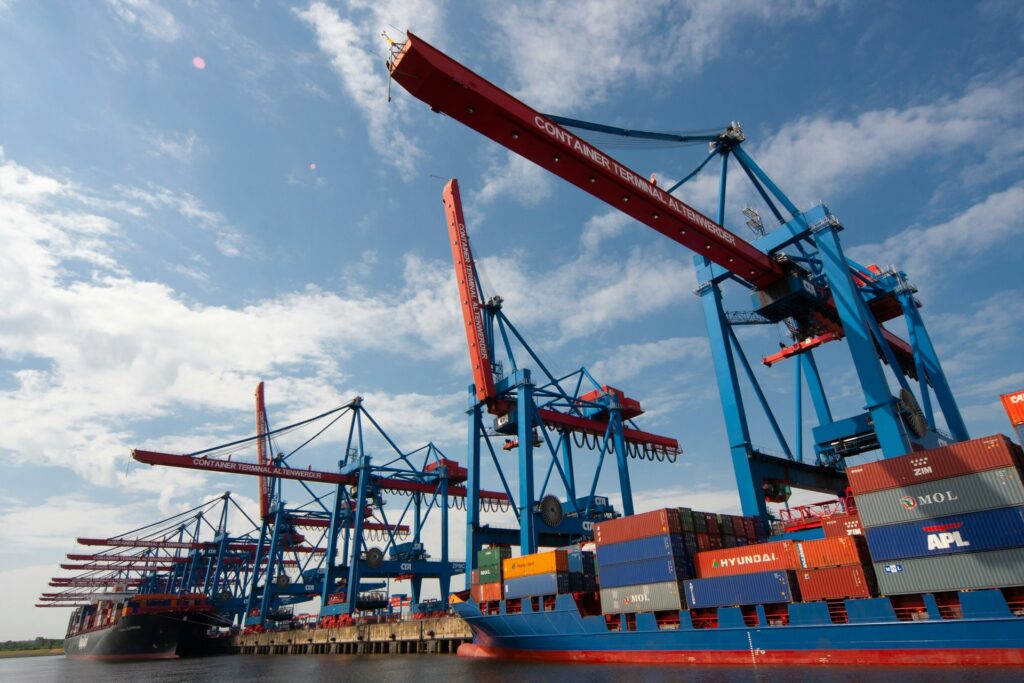
All these shifts have significant implications for the freight and logistics industry. Container demand is becoming increasingly volatile, and ports that were once central to global trade—like those in China—may see slower growth. At the same time, emerging markets are stepping up, providing alternative hubs for production and transport.
Shippers and logistics providers must now stay agile, adapting to rapidly changing trade flows and geopolitical realities. Flexibility, diversified sourcing, and smarter planning are now more crucial than ever.